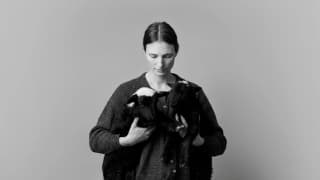
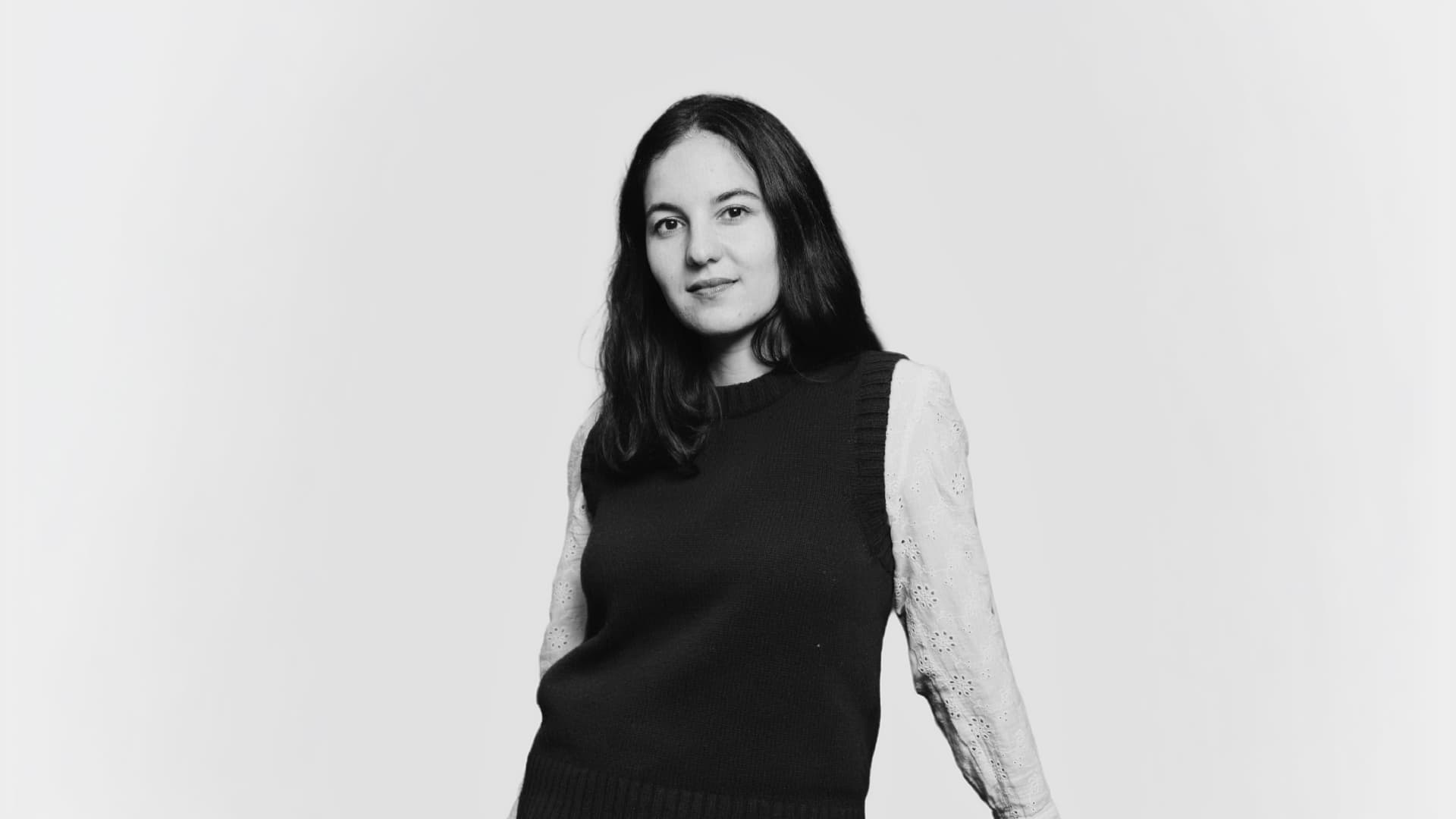
"I grew up in the countryside, where I saw many manufacturing workshops close due to a lack of transmission and successors. Yet, these places, especially in rural areas, are essential levers for cultural and even social dynamism. However, in middle school, we were not taught about these trades, their future potential, and these manual skills are not valued, assessed, or encouraged by the educational system and thus by society,” explains Gabrielle Légeret.
This observation led to the creation of the association De l’or dans les mains, highlighting that manual practice is not sufficiently promoted within the educational system, even though not all children fit into the very theoretical and abstract approach proposed by the school system.
Moreover, by 2030, 2.8 million new jobs will be created for the ecological transition, of which 80% will be manual.
In this context, De l’or dans les mains will structure its action around 2 axes. The first is field action, in 9 academies across 6 regions, involving about fifty middle schools. This involves bringing artisans into classrooms during school hours, who will help children create an object.
For example, benches for the schoolyard will be built by the children, linked to their math curriculum. In sewing, they will make pouches for their notebooks, applying area calculations and angle calculations. So far, 10,000 young people have been sensitized in France since the association's inception.
“But we are very aware that we will never be able to cover all the schools in France,” notes Gabrielle Légeret. Hence the second aspect dedicated to impact, research, and advocacy to promote these issues.
Many stereotypes about these trades still need to be broken. "For a long time, manual trades did not always pay well. These are tough jobs, but many things are changing, especially with the advent of AI,” explains Gabrielle Légeret.
"I am convinced that these trades are gaining value, and in any case, we will have no choice but to enhance their value, even monetarily, because we will need them for the ecological and social transition that has already begun. We will have no choice but to be much more autonomous for our energy and for the production of our clothing. And we have all the solutions in France to succeed in this transition. But indeed, we must choose to better value professional integration into these trades,” concludes Gabrielle Légeret.