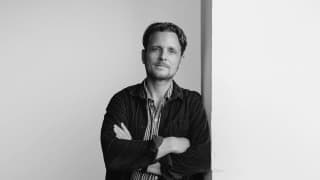
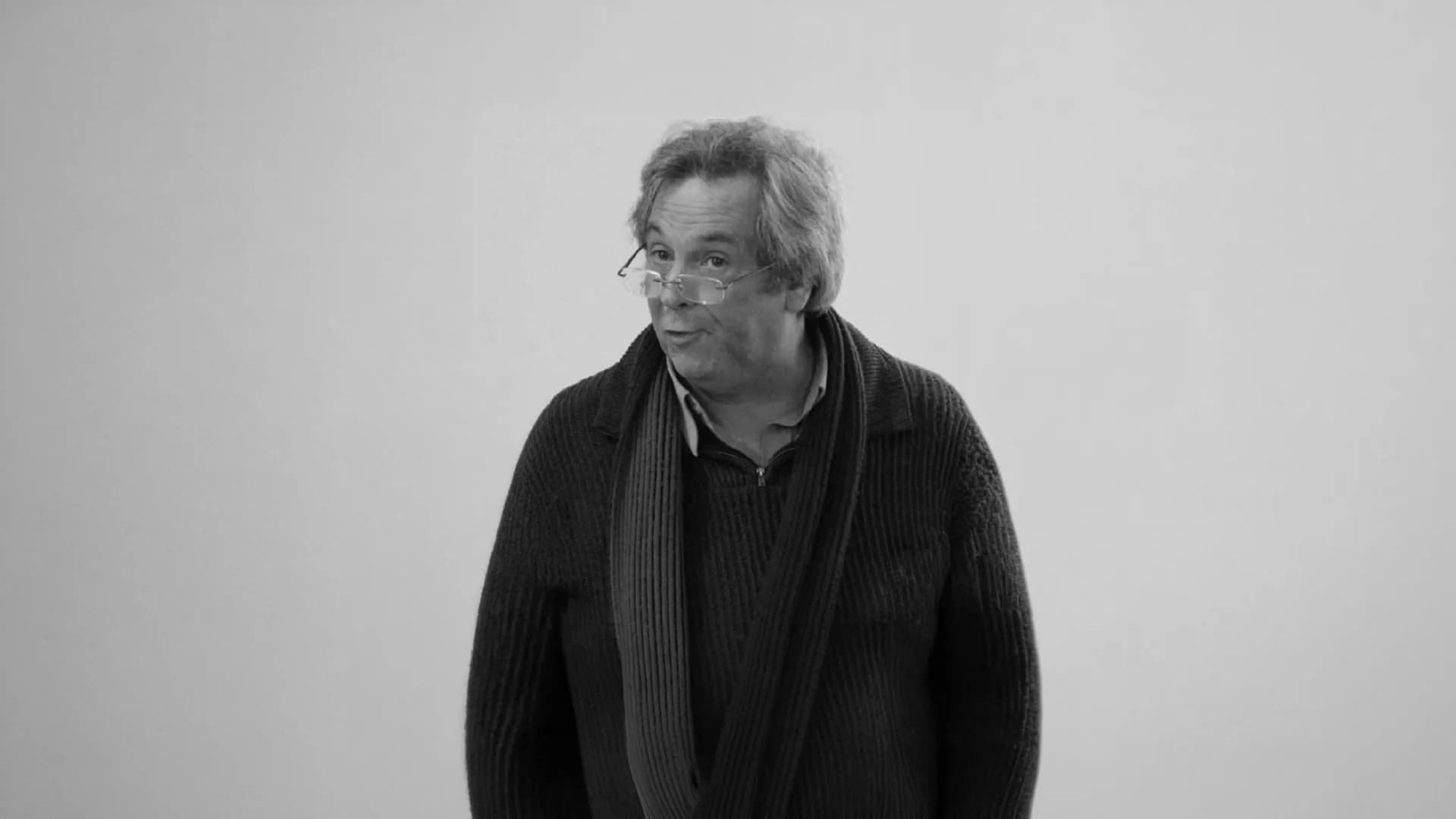
After 40 years as a leader, Frédéric Bosqué fully grasps the tensions between the ecological, social, and economic dimensions of the world. A meeting with a farmer during a cycling tour of France notably accelerates his reflection. "I was shocked to see that in our society, we are capable of impoverishing people who create value for us and for future generations." He then decides to dedicate his efforts to a new model of territorial development.
The TERA project currently relies on several municipalities and brings together agriculture, local food, eco-construction, renewable energy production, and training. In Masquières, in the Lot-et-Garonne, a 12-hectare permaculture and multi-activity farm coexists with a farming operation and a carpentry workshop. In Tournons-d'Agenais, a 4-hectare site is set to host a "rural transition neighborhood".
The goal is to relocalize part of the production and create non-outsourcable jobs. "Our idea is to bring as many people as possible to our rural neighborhood to encourage them to work, to put their skills, talents, and creativity at the service of rural revitalization," explains Frédéric Bosqué.
This dynamic also aims to rebalance the territories. A vision that seeks to make rural areas a space for innovation and transition. "Because the things we will build in these small municipalities will not be relocatable. So it's a win-win for society as a whole."
The TERA project is an initiative suggested to us by the operation billion, one of whose missions is to make visible the organizations of the Just Transition.
In partnership with