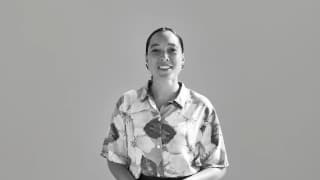
« Climate change primarily affects the most vulnerable populations. For us, it is impossible to separate ecological transition from social transition », explains Claire Moreau.
Established since 2017 in the northern districts of Marseille, Le Paysan Urbain supports people in professional integration through the production of microgreens, sold to gourmet restaurateurs. This economic support also raises awareness about living systems, the water cycle, composting, and biodiversity.
The association also develops a nursery of local plants, supports the creation of educational and Mediterranean gardens with residents and schools, and has been running an École ETRE for four years to introduce 16-25 year-olds to careers in ecological transition.
Beyond integration, Le Paysan Urbain assists residents in greening their neighborhoods, creating cool islands, and developing community spaces, while helping local authorities prioritize local species suited to the Mediterranean climate.
« What we seek is to empower residents, giving them the means to concretely improve their living conditions and to use nature as a lever for transforming neighborhoods », concludes Claire Moreau.
Le Paysan Urbain is an initiative suggested to us by Opération Milliard, one of whose missions is to make visible organizations involved in a just transition.
In partnership with