translate This article was automatically translated from its original Español version. Read the original
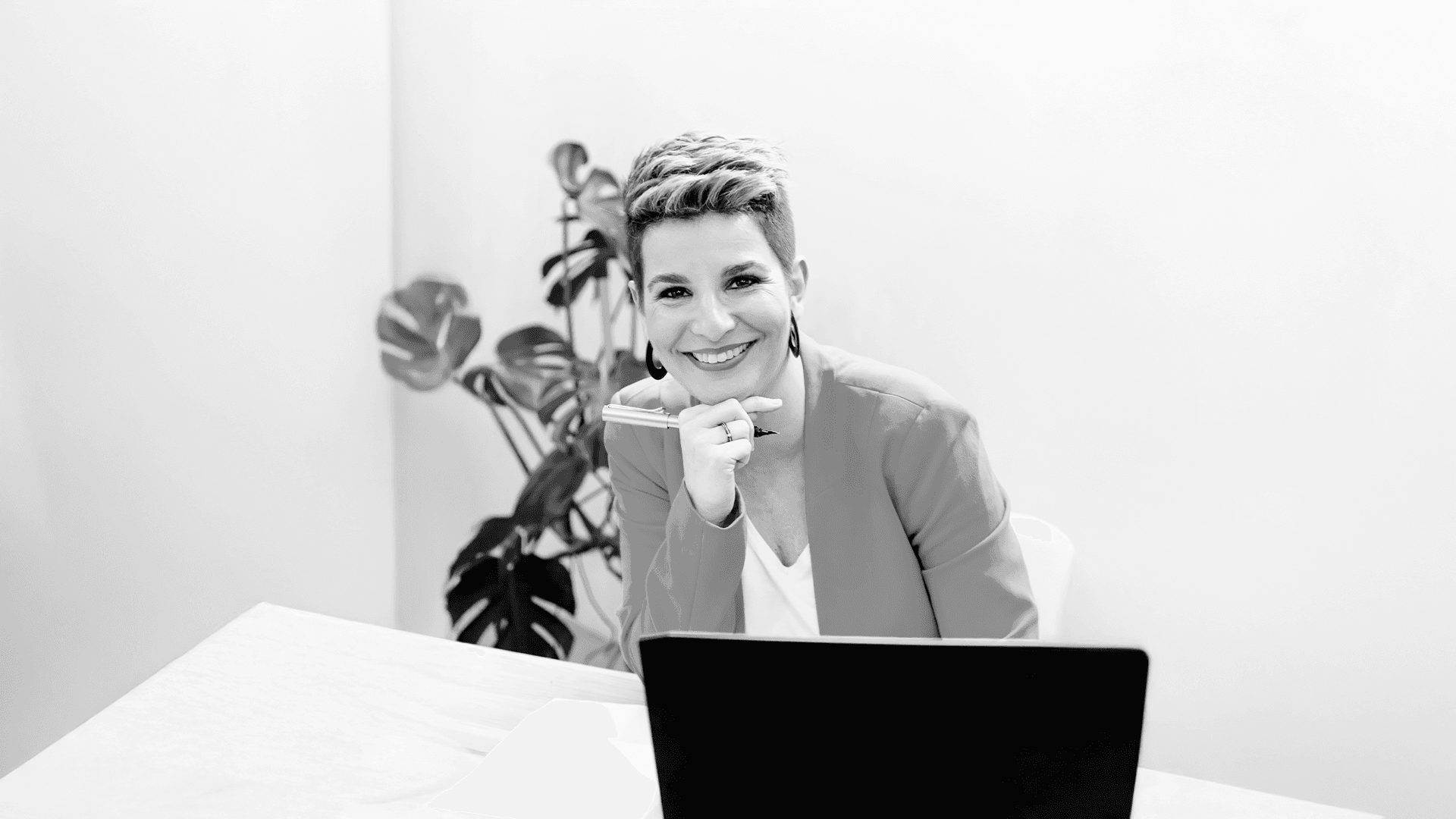
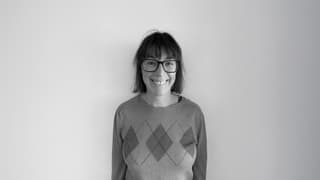
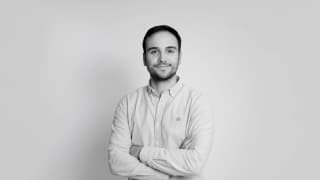
Paula Baldó is an entrepreneur and founder of her own consultancy, which supports companies of all sizes in their sustainable transformation process.
impact.info
Listen to the testimony of Paula Baldó, founder of Paula Baldó Consultora.
Questions fréquentes What does it really mean to be sustainable for a company? Being sustainable for a company means adopting an approach that considers not only economic benefits but also the environmental and social impact of its activities. This requires a transformation in the way things are done, recognizing that the company is interconnected with its environment and that its decisions can affect the community and the environment.
Why is it important to have a sustainability strategy instead of undertaking isolated actions? How can a company start to integrate sustainability into its business model? What is greenwashing and why is it a problem in the current business context? What type of companies benefit the most from a sustainable transformation according to Paula Baldó? María Díaz Valderrama
impact.info journalist
Published on 27 August 2026
Photo credit — Paula Baldó
Transcript Audio in Español — text automatically translated· AI-generated transcript
0:00 The process of transformation involves being aware of where we are, 0:05 the company is not isolated in the world, 0:06 and identifying where we can do things right. 0:09 But there are still a lot of medium-sized companies 0:12 that are the ones struggling still 0:14 because it is still seen as an expense, not an investment, 0:17 that it is an effort that only four people care about, etc., etc. 0:21 Impact.info Another way to undertake 0:28 Good morning, 0:29 welcome to the podcast for entrepreneurs who want to change things, 0:33 starting with their own companies. 0:36 Companies like Paula Baldó, 0:38 an environmental consultancy that supports companies wanting to be more sustainable. 0:43 My name is Paula Baldó, I am 45 years old, 0:47 I am from Oviedo, Asturias, 0:49 I am a sustainable transformer. 0:51 Paula, to start, tell me what exactly you do 0:54 and what kind of work you do with companies. 0:57 As you said, I define myself as a sustainable transformer 1:00 and what I do is basically lend a hand 1:03 to all the companies that have some concern 1:06 or some interest in sustainability issues within their work, 1:10 to help them gradually move forward, calmly, 1:13 without pressure, so they can stay updated on things that arise 1:17 because many things come up and suddenly one doesn't know 1:20 which way to go or what to do or what is most important 1:23 and there I am, lending that support 1:26 so that companies can gradually become a little more sustainable. 1:30 Of course, because today many companies talk about sustainability 1:34 but it is not always clear what this means in practice, 1:37 what does it really mean to transform a company to be more sustainable? 1:41 Well, it involves rethinking 1:45 how we do things 1:47 from a triple approach for us to understand. 1:50 On one hand, a company is clearly made and designed 1:53 to generate economic benefits for its owners, founders, 1:57 for the people who work in it, 2:00 but at the same time it also generates an impact on the environment it is in, 2:03 both from an environmental perspective and from a social perspective. 2:07 So, the process of transformation involves being aware of where we are, 2:12 that a company is not isolated in the world 2:15 and identify where we can do things right. 2:18 You talk about sustainable transformation, 2:21 I mean, not just isolated initiatives, 2:23 why do we need to work on sustainability strategically 2:27 and not just with one-off actions? 2:29 One-off actions are great 2:32 when we already have that strategy in place, 2:34 because then we can do really cool and beautiful things, 2:38 but we need a bit of strategy 2:40 because otherwise we lose focus, 2:43 spending money on actions that we think will work 2:47 or that will serve a purpose 2:48 and they really don't have the impact we would like them to have. 2:53 We are not aware that suddenly there are needs in our environment 2:57 and our stakeholders are asking for certain things 3:00 and since we don't know and don't have a strategy focused on them 3:04 and their participation, 3:06 we end up doing things that have nothing to do with it or that have no interest. 3:10 Having everything focused from a strategic point of view 3:13 helps us make sense and give coherence to what we do, 3:18 which has the word sustainability, 3:20 but also has the word people, 3:22 has the word nature, 3:23 has the word environment, 3:26 it's all a bit more complete. 3:28 So you help companies define that sustainability strategy, 3:33 to measure those impact indicators. 3:35 How do you do it? What is that work like with them? 3:39 If someone is listening and thinking, 3:42 well, how does Paula work? 3:43 Well, the first thing I do 3:46 when I start working with someone is see where they are. 3:50 I do it a bit like when you go to the doctor 3:55 and say, hey, they do a general check-up. 3:58 I think I'm fine, but I don't know how fine I am, 4:00 so I'm going to get the check-up. 4:01 Well, I do something similar, I do a general check-up, 4:05 I see where they are, I see what situation we are in 4:09 and from there I propose solutions. 4:13 about how we can move forward based on a lot of things. 4:16 Well, based on, on one hand, what is evidently of interest to them, 4:19 the company has specific interests 4:21 and will want to go in a certain direction. 4:24 Also taking into account the environment in which it is 4:26 and what its stakeholders are asking for, 4:29 what the staff might be asking for, 4:31 what needs are arising from the teams. 4:35 And then also a bit considering that 4:38 we are in a globalized world and there are trends, 4:41 and there are interests, and there are regulations, legislation, 4:44 especially if the company is in the European Union, 4:46 that will also be setting the pace. 4:49 So, combining all that, 4:51 we outline little by little how to do this 4:53 to reach the final goal without losing track, 4:57 without investing more money than necessary 5:00 and with a bit of order and logic. 5:02 You also work a lot on the topic of greenwashing, 5:04 of eco-whitewashing. 5:06 Why do you think it has become such a frequent problem 5:09 in the corporate discourse on sustainability? 5:12 Well, unfortunately, because it works. 5:15 Greenwashing works because it is true that more and more 5:18 there is a critical mass of people who are eager 5:23 to consume or buy in a more ethical or coherent way, 5:27 more sustainably, sometimes more vegan 5:31 or sometimes more respectful of people. 5:33 It depends, right? 5:34 And since there is that interest and also an interest 5:37 that even allows for a slightly higher profit margin, 5:40 because well, 5:42 there are also studies that show 5:43 that people concerned about sustainability 5:46 are willing to pay a little more as it interests them, 5:49 so I offer or say that I am greener, 5:52 more ecological, more sustainable 5:54 and, unfortunately, in return, 5:57 although those people are super interested 5:59 in being more sustainable, 6:00 Many times they lack tools to distinguish 6:03 if the company is doing well or not. 6:05 So, they believe what the companies say 6:08 and it works as a marketing tool. 6:10 And that's a big problem because it complicates things 6:13 both for consumers, 6:16 who have that interest because they don't know 6:18 if they're being taken for a ride or not, 6:20 and at the same time for the companies that are doing 6:22 well or very well, 6:23 it becomes much harder for them to make visible 6:26 the effort they are making. 6:28 So, it's a big problem. 6:29 Then, there are many companies that may feel 6:32 that sustainability is a complex issue 6:34 or that there's no way to integrate it into their business model. 6:38 Where should a company that wants to take it seriously start? 6:40 Well, a bit by doing internally 6:42 or at least thinking the same way I did at the beginning, 6:45 which is sitting down and saying where I am, 6:49 where I am, what I do, how I do it, 6:52 what process I follow, who I buy from, who I stop buying from, 6:55 why I choose these suppliers and not those. 7:00 Breaking down the situation a little bit 7:03 and from there doing... 7:06 I always say that when we don't have anything clear 7:08 about where to start, 7:11 from the whole list of things that come to mind 7:12 that I could do, 7:15 start with the one that takes me the least effort 7:16 in terms of time and money. 7:18 And when I've solved that, we move on to the next one. 7:20 And Paula, do you think that sustainability is...? 7:23 Well, are we really seeing 7:27 a deep transformation of the business model 7:29 or are we still at the beginning of the road? 7:33 It depends a lot on the type and size of the company. 7:37 On one hand, we have a mass of small companies, 7:42 startups, companies that are just starting, 7:45 7:48 that they already have in their DNA or embedded in their values 7:54 what sustainability is and the positive impact 7:56 and the triple balance. 7:58 And you can see it, on one hand. 8:00 And then there are companies that, due to their size, 8:04 are facing so many legal obligations 8:06 related to sustainability, 8:07 that it makes sense for them to start doing it right 8:10 and take it seriously. 8:11 But there are still a lot of medium-sized companies 8:14 that are struggling with this 8:16 because it is still seen as an expense, 8:19 not an investment, 8:20 that it's an effort that only four people are interested in, etc. 8:24 So, well, we're at a point that depends on who you look at. 8:34 In Spain, 18 years is the legal age 8:36 to be able to create your own company. 8:39 Where did you see yourself when you were 18, Paula? 8:43 Well, interestingly, almost exactly where I am. 8:45 The thing is, with a different focus. 8:47 I started my degree, I studied environmental sciences 8:50 and since my family in general are almost all self-employed 8:54 or have their own businesses, 8:57 for me it was like the natural step and the normal step, right? 9:00 You have your own business, you have your own company. 9:03 It's true that at 18 I imagined myself 9:06 having one of those giant sustainability consulting firms, 9:10 with a bunch of employees 9:15 and I would be dedicated to different things than what I do now. 9:20 In fact, I like what I do now more than what I thought at 18. 9:24 But the idea was already there, so in the end it was just about finding the moment. 9:29 Thanks to Paula Baldó, founder of the environmental consulting Paula Baldó. 9:33 You can listen to this interview on the impact.info website. 9:38 You have listened to Impact.info, another way to undertake. 9:45 Impact.info