translate This article was automatically translated from its original Español version. Read the original
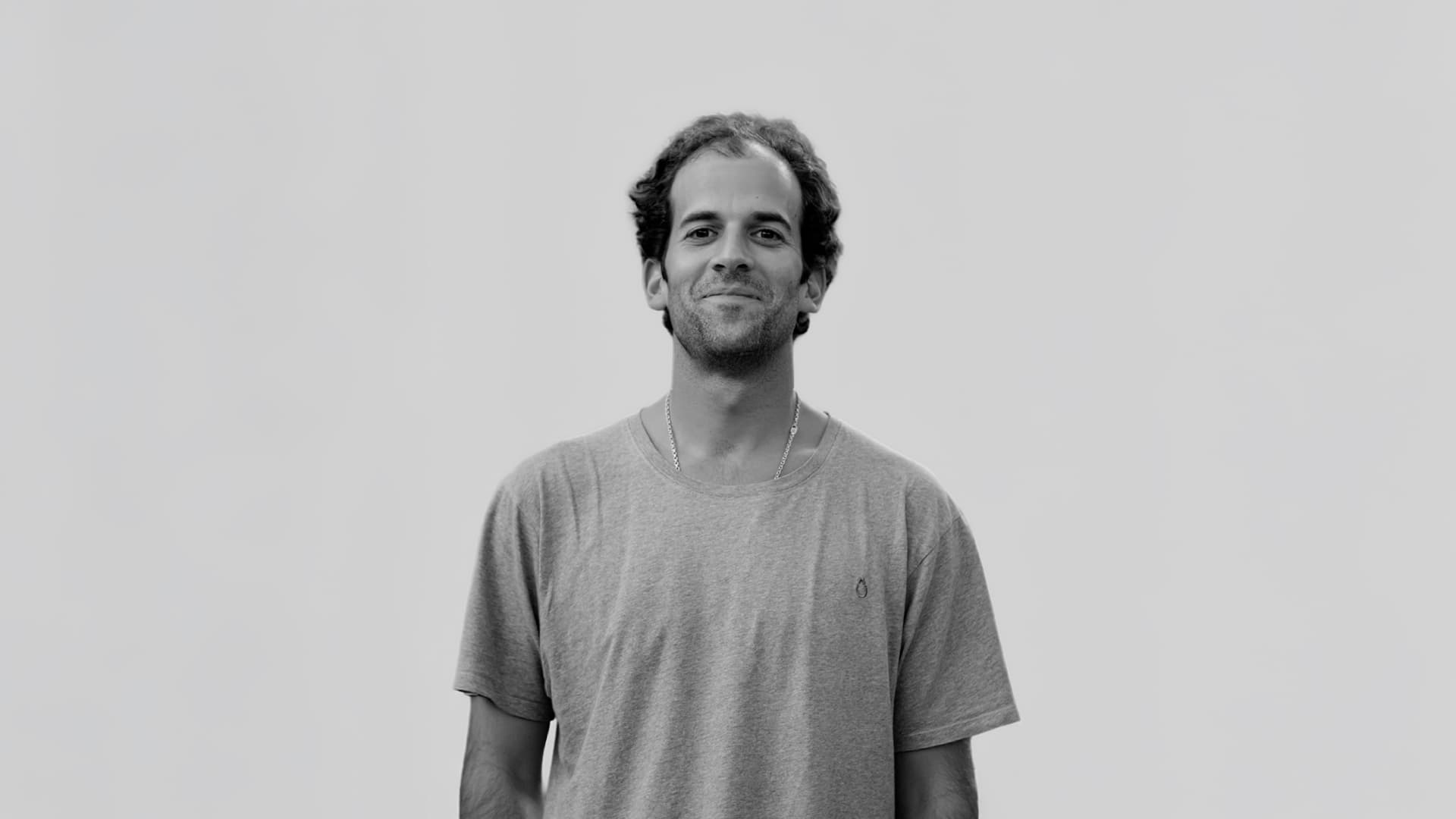
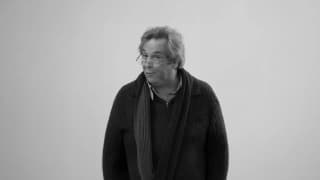
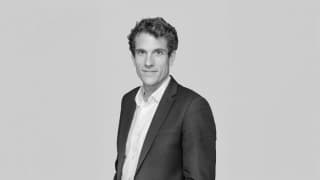
Pablo Urbano is the co-founder of Auara, a social enterprise based in Madrid that allocates 100% of its profits to clean water access projects.
impact.info
Listen to the testimony of Pablo Urbano, co-founder of Auara.
Questions fréquentes What is Auara and what is its main mission? Auara is a social enterprise co-founded by Pablo Urbano, dedicated to selling bottled water and other products, allocating 100% of its profits to projects that facilitate access to drinking water in developing countries. Its mission is to address the issue of clean water, helping communities that lack this essential resource.
How does Auara ensure that its water projects have a real impact? What challenges does Auara face in a competitive market? What measures does Auara take to be environmentally sustainable? How many people have benefited from Auara's projects to date? María Díaz Valderrama
impact.info journalist
Published on 13 August 2026
Photo credit — Auara
Transcript Audio in Español — text automatically translated· AI-generated transcript
0:00 And we wanted, from within, to be consistent and change the materials that were being used up to that moment. And that's why in 2016 we became the first company in Europe to use 100% recycled plastic, breaking many legal and mental barriers that existed at that time. 0:05 impact.info another way of entrepreneurship 0:10 Good morning. Welcome to the podcast of entrepreneurs who want to change things starting with their own companies. Companies like Auara that demonstrate that it is possible to do business while generating positive social and environmental impact. 0:14 I am Pablo Urbano, founder of Auara. I am 35 years old and I live in Madrid. 0:19 Pablo, tell us what Auara is. Well, Auara is a social enterprise that was born more than ten years ago and it was born from a personal experience of Antonio and mine where we lived an experience in different countries regarding the issue of drinking water. 0:24 In countries like Ethiopia, Cambodia, it is not as common to have access to clean water as we have here in Spain, for example. So in a northeastern area of Ethiopia called Afar, Antonio lived there for six months building a hospital, doing volunteer work, and there he experienced firsthand the lack of access to clean water and what it means not to have a tap with clean water, a source of clean water in your village or area, which causes many other problems such as education issues, hygiene, health, nutrition, and obviously, directly not having water. So that made a mental click for us at 23 and 24 years old respectively about how and in what way we could change the situation we had experienced. Well, thanks to meeting small organizations whose vocation is to carry out projects for access to clean water, as a calling for permanence, we found those organizations and thought, why not set up a company? We didn't want to set up another NGO, but we wanted to compete in the market with a product and allocate 100% of the available profit from product sales to help these organizations finance these projects and carry them out with a very thorough process. And how does your model work exactly? How does a bottle of water turn into access to drinking water? The model is very simple and very transparent; in the end, all the sales we have from the bottles, from these revenues that we make with distributors, we subtract the margin of these distributors, we subtract the cost of the plastic of the bottles themselves, transportation, the plastic, the payment to the spring where we bottle the product, and from this gross margin, we have to subtract the costs of the company itself such as salaries, office costs, general costs. So that is what would be the net margin; then there is a small contribution that we make to reinvest in the company in case we want to create a new product that... 0:29 0:35 0:40 0:47 0:53 0:59 1:04 1:10 1:15 1:19 1:24 1:29 1:33 1:40 1:45 1:50 1:55 1:59 2:04 2:08 2:15 2:20 2:25 2:29 2:34 2:39 2:43 2:48 2:54 2:59 3:04 3:07 3:13 3:17 3:20 if we want to develop something to grow and the rest the dividend, that benefit 3:25 available which is the same as the dividend and that is what we would take as 3:29 partners for being partners of the company that is what we allocate to do projects and 3:34 speaking of measurable impact can you tell us about well that impact that 3:42 you have on the lives of other people in other countries well yes the truth is that 3:47 little by little in these 10 years that we have been selling and doing 3:51 projects well little by little we have developed projects we have said more 3:57 than 262 infrastructures in 28 different countries mainly on the African continent 4:02 but also in Asia and Latin America 4:06 and thanks to all these projects we have done these 262 infrastructures 4:11 well from water wells, rainwater collection systems, storage 4:16 sanitation systems like bathrooms and latrines and we have also made irrigation 4:20 systems to promote agriculture all always related to water well 4:25 we have brought potable water sanitation or agriculture to more than 168 thousand people 4:30 you talk to me about water bottles but I think you also sell juices I don't know if 4:35 within this same line what challenges does it imply to maintain a project with 4:41 purpose in a market that is ultimately very competitive? 4:44 totally it is a very competitive market the water world in particular is a 4:48 market well of large internationals all the ones you can imagine that 4:53 many times water brands go hand in hand with beverage companies like 4:57 coca-cola or pepsi or breweries like maudame etcetera 5:03 etcetera or stipulia melicia so well it is a challenge because 5:08 obviously the budgets that large multinationals have are 5:14 enormous besides they play a lot with the product portfolio they have hey 5:18 well maybe I lower the price of water but you have to buy this then well 5:21 these are practices that are more or less legal but in the end hey well 5:26 when you go with a wide product portfolio well in the end 5:30 well it is easier for the customer then well it has cost us a lot 5:34 to compete it has cost us a lot to get our foot in the door to make Aguara known but precisely a little related to what you said at the 5:39 beginning well thanks to having social and environmental values we have 5:44 managed to create this competitive advantage and we have managed to stand out 5:47 against competitors because we are offering much more 5:51 than a bottle of water we are talking with Pablo Urbano co-founder of Aguara 5:55 environmental sustainability is another of your pillars especially regarding 6:00 packaging circular economy can you tell us a little about 6:05 this aspect yes for us from the beginning 6:10 it was born with a social vocation but from day one we wanted to be coherent 6:14 hey we see it in our day to day the consumerism that exists etcetera etcetera 6:18 well we also wanted to be coherent in developing products that had a 6:25 6:30 coherence with the environment too not just this impact more focused 6:35 on social but also trying to develop the product with pride for 6:40 the planet not a bit for coherence it doesn't make sense to try to 6:43 solve one area of the world generating waste in another and being very 6:47 aware of today the mineral water market because I've talked about mineral 6:52 water now specifically because that's how we started but it's a market of more 6:57 than 4,500 million liters millions of billions of bottles 7:01 a year and we wanted from within being coherent to change the materials 7:06 that were being used until that moment and that's why we were in 2016 the 7:12 first company in Europe to use 100 percent recycled plastic 7:18 breaking many barriers both legal and mental that existed this is the 7:21 moment impact point info another way of 7:25 entrepreneurship in Spain 18 years is the legal age to be able to create your own company 7:30 Pablo where did you see yourself when you were 18 years old 18 years I don't know 7:36 although well yes I've always had an interest in social issues since 7:40 I was little that I participated in volunteering that has always kept me 7:45 with those concerns it's a bit daring I think I share that with 7:48 Antonio that we are school friends and well that's why this 7:51 project was born also from having that motivation or that way of being a bit 7:55 sometimes thinking about how to improve the lives of other people etcetera 8:01 etcetera but well it's true that today at 18 years old I was 8:08 starting to study industrial engineering I saw myself well today in my career as I imagined as a child well it was today well 8:12 working in a consulting firm working in a bank going to live well I had 8:17 thought about living in Australia and well in the end as I told you these 8:21 experiences these volunteer opportunities of having had the chance to go to 8:25 Ethiopia and meet other cultures another way of living well in the end it 8:30 makes you change paths it makes you stick your head out of 8:33 your own issues thinking it makes you more aware of the 8:39 fortunes that we are and today why not choose a different path 8:43 thinking a little more about others and a bit today well all these hours of 8:49 work we do a day well that they have a powerful meaning that's why 8:55 well that's why I at 18 years old had a different path not tell me well 8:59 that abroad living outside working well in a consulting firm and maybe not 9:03 taking advantage of these work hours for others but well in the end as 9:08 I tell you life is unpredictable and thanks to these experiences we started to develop Aguara and here we are. Thanks to Pablo Urbano co-founder 9:13 of Aguara you can listen to this interview on the impact.info website 9:20 you have listened to impact.info another way of entrepreneurship. 9:25 9:31 9:36